
Last weekend, the Node Foundation opened its headquarters in Palo Alto, California. The nonprofit acquired the CryptoPunks IP from Yuga Labs last year for roughly $20 million, and this opening marked the beginning of their mission to embed CryptoPunks into the broader cultural and art-historical canon.
The three-day event wasn't just a celebration of the most iconic (and original) NFT project. It was a celebration of NFTs and digital art as a whole. It was my first NFT event since 2023, and it served as a refreshing reintroduction to the space. The energy was different from the frenzied days of 2021: more mature, more focused on permanence and, of course, the art.
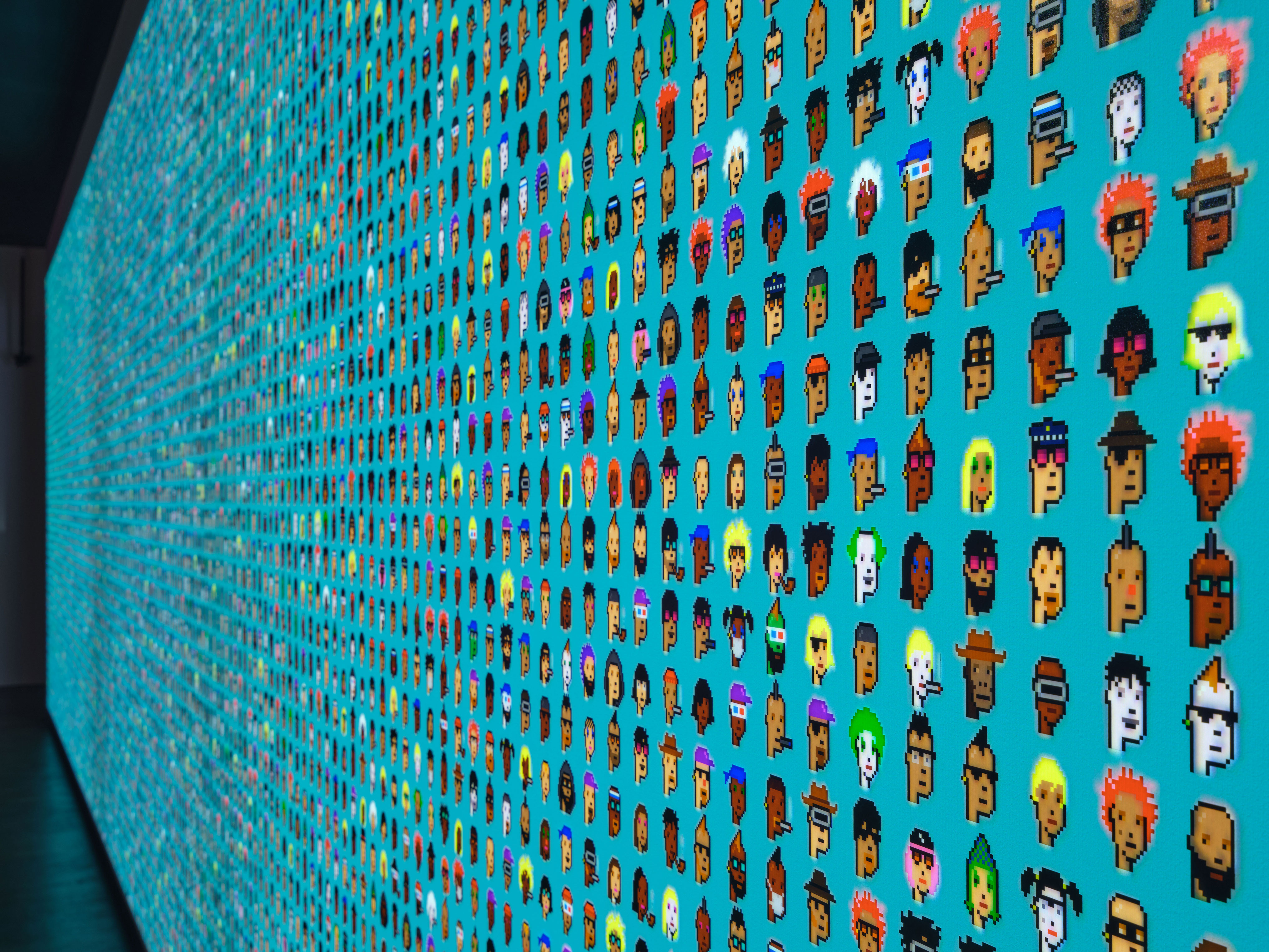
The headquarters are now open to the general public as a digital art museum. If you're in the Bay Area, I strongly suggest checking it out. The exhibition, titled "10,000," presents the full CryptoPunks collection as cultural artifacts and innovative technology, with live blockchain data showing punks for sale, latest bids, and recent sales.
Here were a couple takeaways, particularly as they relate to the work we're doing at Keypo.
The Spectrum of Opsec for Protecting Seed Phrases Is Vast
With the sharp rise in wrench attacks over the last year, I couldn't help but think about security when walking into an event for the most famous (and most expensive) NFT project.
The statistics are sobering. According to Casa CTO Jameson Lopp, 2025 saw roughly 65 documented wrench attacks, nearly double the previous year. The real number is likely much higher. Incidents have involved physical mutilation, waterboarding, home invasions, and weeks-long captivity to coerce individuals to give up their crypto assets.
During the opening, Micky Malka, chair of the Node Foundation, showcased a feature where every time a Punk is sold on-chain, a giant screen lights up displaying the sale and ownership history. To demonstrate, he asked if someone in the audience would buy a Punk on the spot. Ten seconds later, the screen lit up and the crowd went wild.
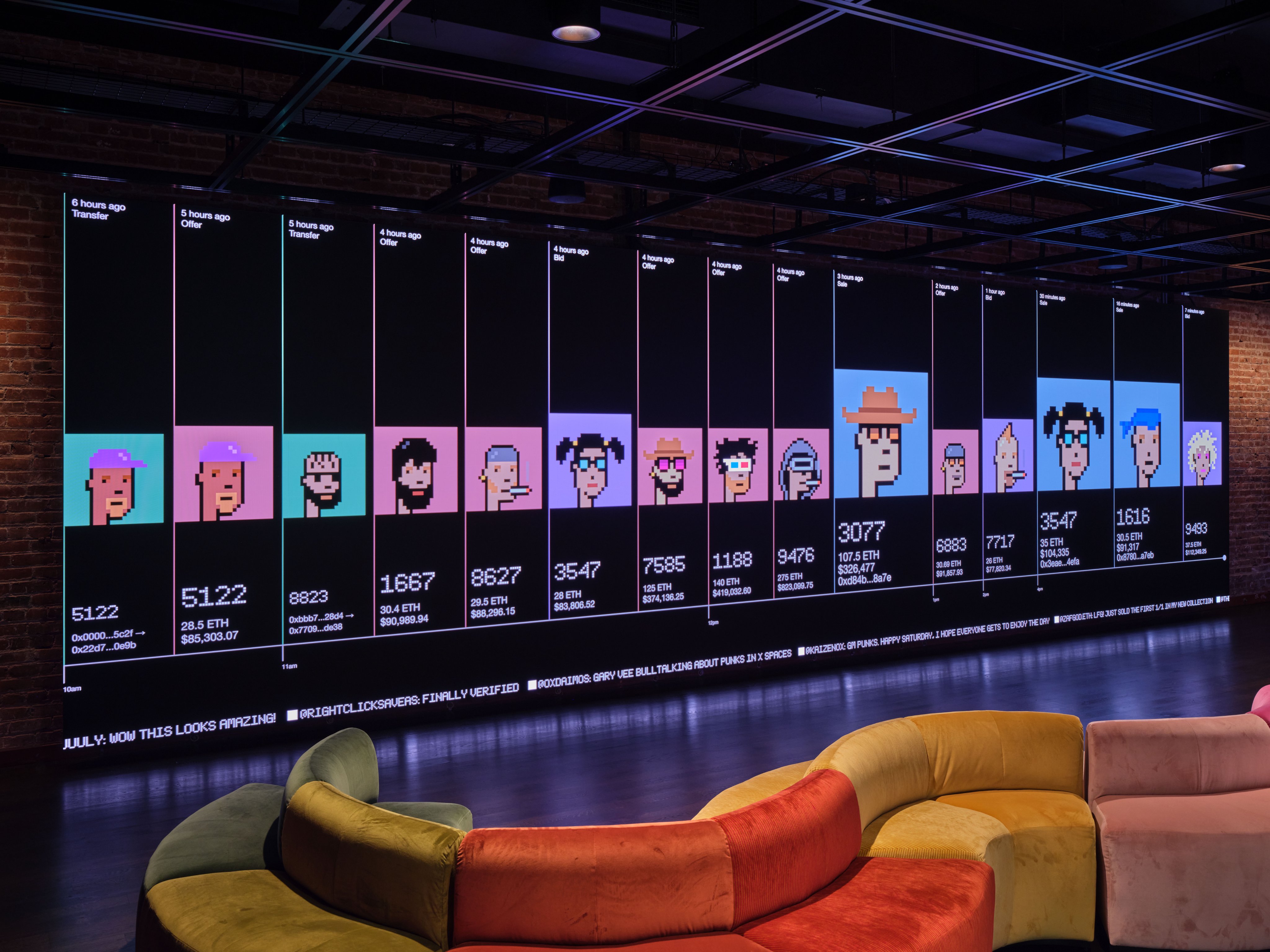
My first thought was: that person is walking around with at least $100,000 in accessible value right now! Hot wallet, presumably, given the speed. That's a level of risk tolerance I don't share.
Later, I spoke with a prominent NFT collector who represented the opposite end of the spectrum. Their setup involved a 2/3 multisig, with each seed phrase split into shares stored in safety deposit boxes across multiple time zones. This person could probably survive a wrench attack (good luck extracting all those shares), but the complexity introduces its own risks. What happens if they're incapacitated? What if they forget which shares are where? What if a bank holding one of the safety deposit boxes closes?
This spectrum is exactly why we built Keypo. Most people either under-protect their assets or over-engineer something so complex that recovery becomes its own failure mode. We're building for the middle: hardware-backed security using your existing devices, Shamir secret sharing so there's no single point of failure, and no dependency on centralized services.
Self-Custody Is a Spectrum
During the Friday kickoff, some bittersweet news broke: Nifty Gateway announced it was shutting down. The marketplace, owned by Gemini, was central to the 2021 digital art boom, facilitating over $300 million in sales at its peak and hosting drops from artists like Beeple, Pak, and Grimes.
What poignant timing. Here we were, celebrating the permanent enshrinement of CryptoPunks in a nonprofit foundation, while one of the platforms that helped birth the NFT movement was winding down.
What really got people talking was the initial migration plan: no mention of what would happen to the metadata and media they hosted. This has always been a sore spot for NFTs. While tokens live on the blockchain, the actual artwork is often stored on centralized servers. If those servers go down, your NFT might point to nothing. CryptoPunks is a notable exception: the artwork's SVG files are stored entirely on-chain.
After community backlash, Nifty Gateway updated their plans, committing to migrate all metadata to Arweave, a permanent decentralized storage solution.
This is the right outcome, but it required public pressure to get there. It's a reminder that "self-custody" exists on a spectrum. Even if you hold the token in your own wallet, you're often still dependent on other services to maintain your asset's value and relevance.
The Nifty Gateway news reinforced a core principle at Keypo: minimize external dependencies. We designed our system so that even if Keypo disappeared tomorrow, your keys would still be recoverable from your devices. No servers to shut down. No migration plans to pray someone executes correctly. Just your devices, your shares, and cryptography that will work as long as computers do.
Closing Thoughts
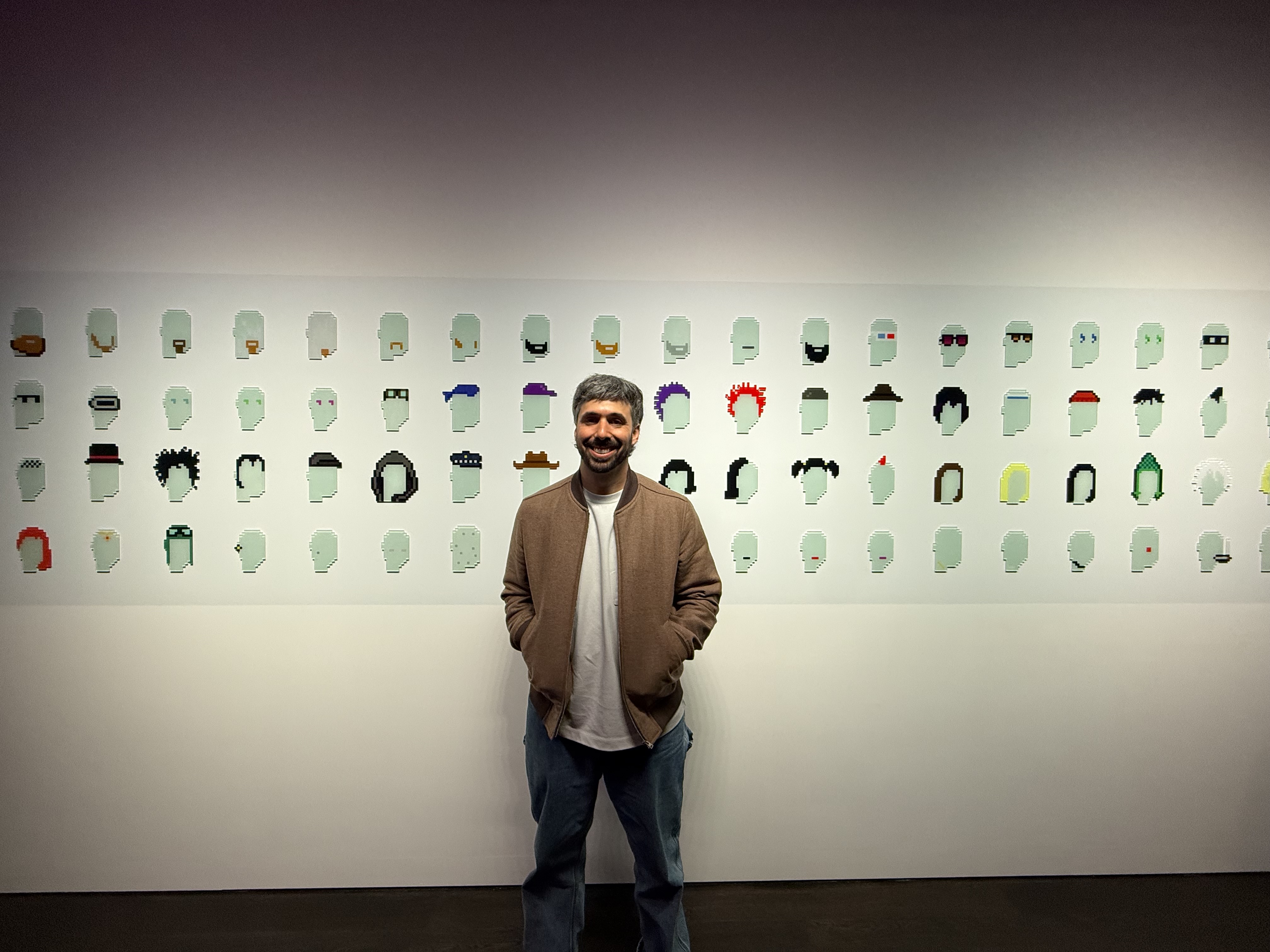
Walking through the Node Foundation's new space, surrounded by 10,000 pixelated faces that helped launch an entire movement, I felt genuinely optimistic about the future of digital ownership.
Yes, the NFT market has contracted. Yes, platforms are shutting down and speculators have moved on. But what's emerging feels more durable: institutions focused on preservation rather than hype, and collectors who actually care about the art.
At Keypo, we're building for that durable future. Seed phrase security that's actually recoverable. Hardware-backed protection using devices you already own. No external dependencies to fail you years from now.
If you're holding assets you care about, whether it's a CryptoPunk, a family multisig, or your first Bitcoin, you deserve infrastructure that will be there for the long haul.